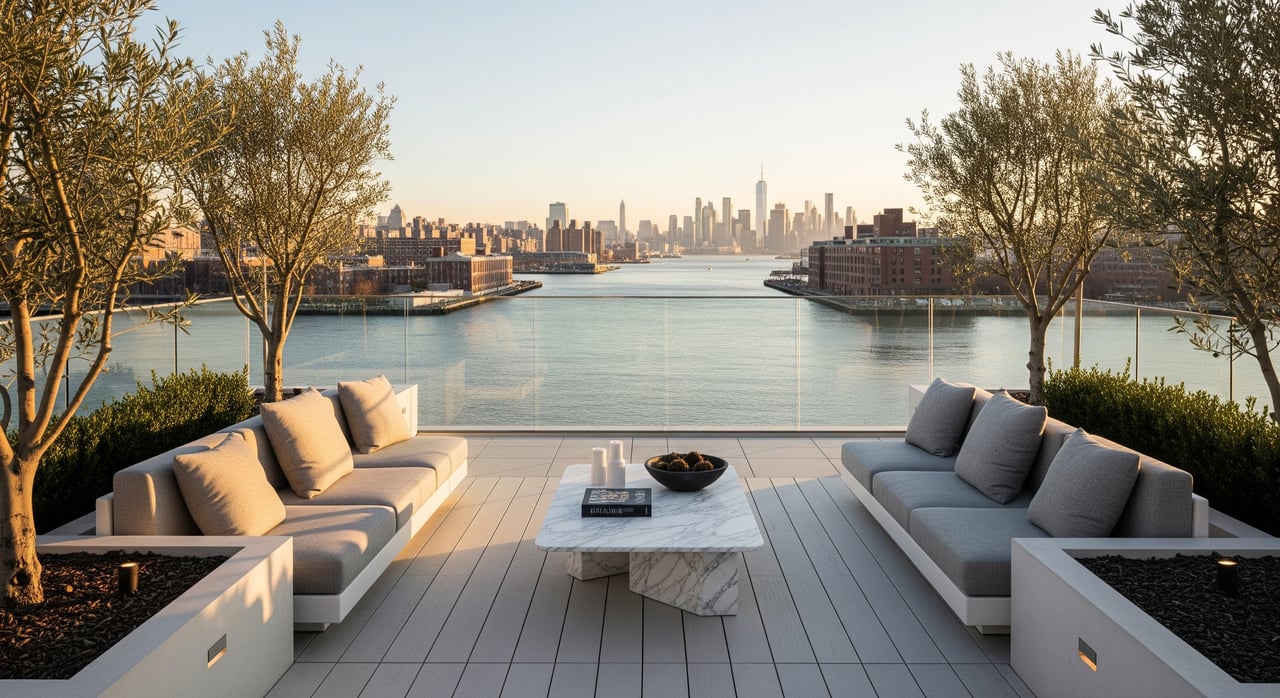
Do you picture skyline sunsets, a morning jog by the river, and coffee on Kent Avenue before your commute? If you are weighing a condo on the waterfront or a loft near the esplanade, it helps to understand how life here actually feels day to day. In this guide, you will learn how the Williamsburg waterfront is laid out, what the parks and dining scenes look like, how residents commute, and what to check in a building before you buy. Let’s dive in.
Williamsburg waterfront at a glance
Williamsburg’s waterfront lines the East River with direct views of Manhattan’s Lower and Midtown East skylines. The area includes the northern waterfront near Greenpoint, the central Kent Avenue corridor where many residential buildings cluster, and inland streets around Bedford and Wythe known for retail and cafes. You will see a mix of converted industrial buildings alongside mid- and high-rise developments.
A major rezoning in the early 2000s opened the riverfront to residential and mixed-use projects. The Domino Sugar Redevelopment and new towers on Kent Avenue followed, reshaping the shoreline. Domino Park emerged from that plan and is now a focal point for daily life and weekend activity.
Williamsburg as a whole is culturally diverse and demographically mixed. Long-standing communities live alongside newer waves of professionals, creatives, and families. The result is a varied set of small businesses, houses of worship, galleries, breweries, and contemporary restaurants.
Parks and public life
Domino Park
Domino Park is the signature waterfront space tied to the Domino Sugar site. You get a linear promenade, playgrounds, and seasonal programming with Manhattan views as the backdrop. It works for quick weekday walks and becomes a bustling destination on weekends.
Waterfront open space and markets
Portions of the riverfront near North 6th Street offer open space and have hosted outdoor food markets and events. Greenway and esplanade segments run along the water, though continuity varies block by block. Expect a lively scene in warmer months when pop-ups and crowds gather by the river.
McCarren Park
A short trip inland, McCarren Park anchors local recreation with fields, courts, and a summer pool. Many residents split time between the riverfront and McCarren for sports, dog walks, and weekend routines. It adds flexibility if you want both a waterfront stroll and an active park day.
Dining and culture near the water
The waterfront has easy access to a deep dining scene that ranges from casual riverfront bites and food-market vendors to full-service restaurants and coffee bars. You can choose destination dining or stay close to home for groceries and specialty shops. Live music venues, bars, galleries, and breweries round out the nights.
Be aware that nightlife and events shape the evening rhythm. Blocks near Bedford, Wythe, and active waterfront sites experience higher foot traffic and noise at peak times. If you prefer quieter nights, higher floors or locations set back from those corridors are often better fits.
Getting around
Subway
The L train serves as the backbone for many residents, with Bedford Avenue and the Lorimer/Metropolitan area providing direct service to Manhattan’s 14th Street corridor. You can transfer from there to midtown and downtown lines. Riders should plan for peak-hour crowding and occasional service changes.
NYC Ferry
Waterfront residents often value NYC Ferry access for a scenic and comfortable ride. Ferries connect to Lower and Midtown Manhattan and other waterfront neighborhoods. Frequency is lower than the subway, so check current schedules and consider your walk or bike time to the terminal.
Biking and the Williamsburg Bridge
Cycling is part of daily life here, supported by Citi Bike stations and protected lanes. The Williamsburg Bridge is a reliable pedestrian and bike link to the Lower East Side. For destinations south of midtown, biking over the bridge can be faster door to door.
Driving and parking
Street parking is limited and curb space is regulated on many blocks. Car ownership is less common along the waterfront than borough averages. Driving into Manhattan can be slow due to bridge and tunnel congestion, so most residents lean on transit, ferry, or bikes.
Real estate on Kent Avenue
Building types and views
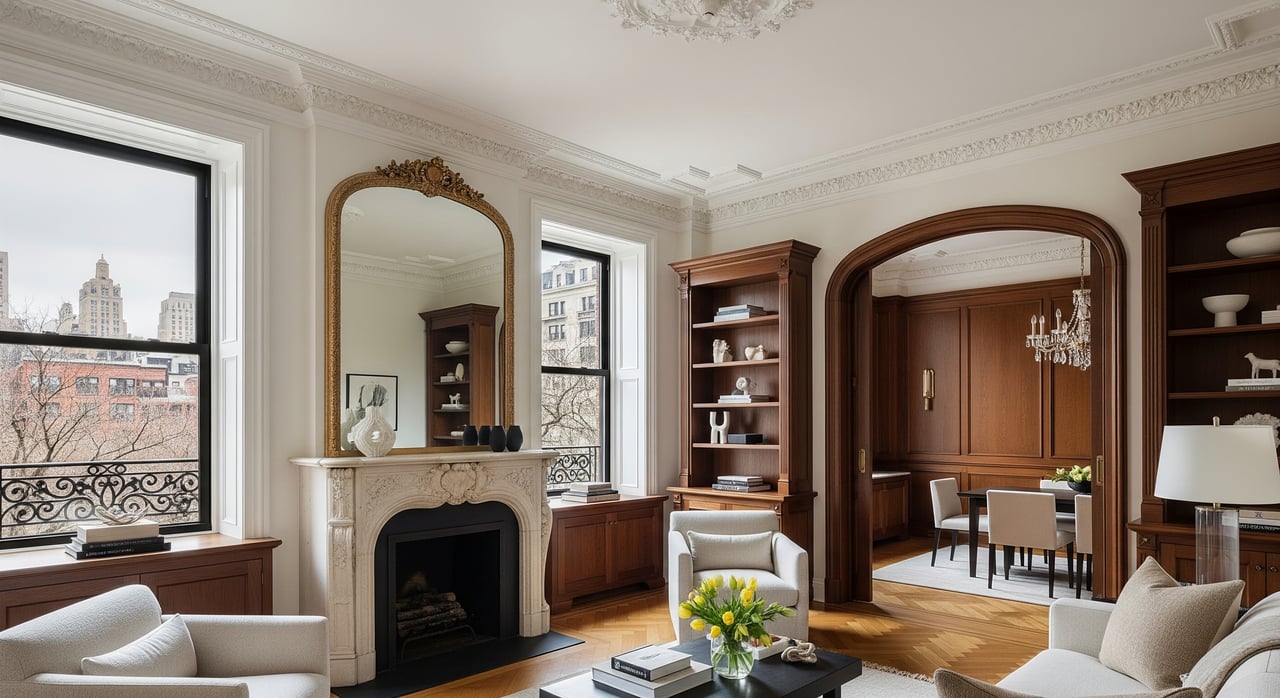
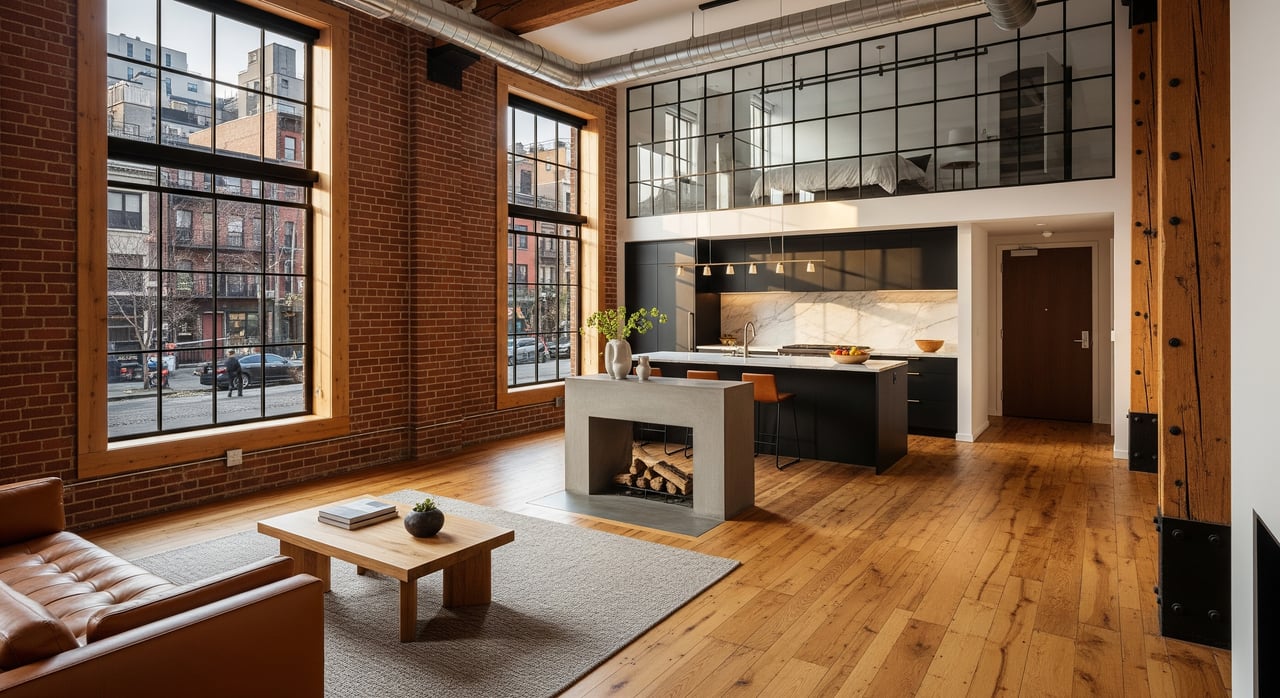
Kent Avenue is the main waterfront spine with newer mid- and high-rise developments and some adaptive-reuse lofts. You will find condo towers, luxury rentals, and smaller walk-ups further inland. Units with direct river exposure and skyline views typically command a premium.
Market dynamics to expect
Waterfront addresses and uninterrupted views often price higher per square foot. Inventory near the river is commonly condo or rental, while co-ops are more typical farther inland. Review building type, rules, maintenance fees, and any special assessments before you commit.
Noise and event considerations
Living near parks, waterfront event sites, or nightlife corridors brings more activity, especially on weekends and during summer. Higher floors, interior exposures, or buildings set back from major corridors usually experience quieter interiors. Your ideal stack depends on your tolerance for ambient buzz versus your desire to be close to the action.
Resilience, flood risk, and insurance
Flood zones and insurance basics
Many waterfront properties fall within flood hazard areas. Lenders may require flood insurance, and it can be wise even when not mandated. Review FEMA flood maps, request any available elevation certificates, and obtain insurance quotes early in your search.
Building-level resilience
Newer riverfront developments often elevate critical systems and add features like flood barriers, raised utilities, or hardened ground floors. In older properties, ask about past flood events and any resiliency upgrades. Understanding these details will help you compare buildings on long-term risk and cost.
Future development and zoning
The waterfront continues to evolve with projects shaped by local rezoning and developer agreements. Future buildings can influence light, views, foot traffic, and nearby retail. Review community board agendas and developer filings to understand what is planned around your preferred block.
What to check before you buy
- Unit exposure and floor height for views, daylight, and noise.
- Building type, rules, and financials, including maintenance fees, reserves, and any special assessments.
- Laundry, storage, bike parking, and pet policies that fit an active waterfront lifestyle.
- Access to the esplanade and how the building connects to public waterfront space.
- Commute planning for the L train, NYC Ferry, and the Williamsburg Bridge, including last-mile walk or bike times.
- Flood-zone information, building resiliency measures, and insurance requirements.
A day in the life
Weekday mornings start with a riverfront jog, a stop at a local bakery, and a ferry or L train ride to Manhattan. Evenings bring skyline views along the promenade, dinner with friends, and a relaxed walk home. On weekends, Domino Park and waterfront markets draw neighbors outside, then McCarren Park offers sports and a change of pace.
Is waterfront living right for you?
- You want daily access to riverfront parks and Manhattan views.
- You value ferry or bike options as much as subway access.
- You prefer newer buildings with modern systems or thoughtfully converted lofts.
- You are comfortable with seasonal crowds near parks and event sites, or you will target quieter stacks.
- You will proactively assess flood risk, building resiliency, and insurance.
Work with a trusted advisor
If you are considering a home along Kent Avenue or nearby blocks, a methodical approach will help you balance views, lifestyle, and long-term value. From reviewing building financials to evaluating flood risk and commute options, you deserve clear, evidence-based guidance. For discreet, research-led representation tailored to the Williamsburg waterfront and Manhattan’s top addresses, connect with Keren Ringler to schedule a confidential consultation.
FAQs
Is the Williamsburg waterfront noisy on weekends?
- Areas near parks, waterfront markets, and nightlife corridors see more activity during warmer months; higher floors or buildings set back from busy streets are generally quieter.
How reliable is the NYC Ferry for daily commuting?
- Ferries are comfortable and scenic, with lower frequency than the subway; check current schedules and factor in your walk or bike time to the terminal.
Do I need flood insurance for a waterfront condo?
- Many waterfront properties sit in flood hazard zones, and lenders may require coverage; review FEMA maps, request elevation data, and get quotes early.
What are the best ways to reach Midtown and Lower Manhattan?
- The L train with transfers is a typical path to Midtown, while biking the Williamsburg Bridge or certain ferry routes can be fastest to Lower Manhattan.
Are there family-friendly amenities near the waterfront?
- Yes, waterfront parks and open space support family life; research your specific school zone and enrollment details to understand availability.
How much more do river views cost?
- Units with direct waterfront exposure and skyline views typically carry a premium, which varies by market conditions and recent comparable sales.