Thinking about listing your Tribeca loft and not sure where to price it? You are not alone. Loft pricing in Tribeca is different from most Manhattan apartments because the attributes that matter are highly physical and often unique. In this guide, you will learn what drives value, how to translate those features into a pricing band and timeline, and how to use carrying costs to protect your net. Let’s dive in.
Why Tribeca lofts price differently
Product types and buyers
Tribeca loft inventory ranges from authentic factory conversions to boutique condominium lofts and a smaller set of co-op lofts. Compared with general Manhattan stock, you see higher ceilings, exposed structure, large floorplates, and open plans with fewer bedrooms but expansive living areas. Buyers include affluent primary residents, luxury second-home buyers, and selective investors permitted to reconfigure.
What pulls demand here is specific: proximity to downtown offices and parks, building prestige, and authentic loft elements like ceiling height, column spacing, big windows, and west or skyline views. Legal form matters too. Condo lofts usually attract a broader buyer pool than co-ops because of more flexible rules and financing.
Recent market signals
From 2022 to 2024, Manhattan’s higher-end market showed uneven recovery, with consistent interest in larger, well-renovated homes. Buyers in Tribeca pay for turnkey condition and strong architecture, yet they are price sensitive at the top. Well-positioned authentic lofts continue to trade at a premium to citywide averages. Liquidity and time to contract vary by price point, building type, and finish level.
Attributes that move price
Ceiling height
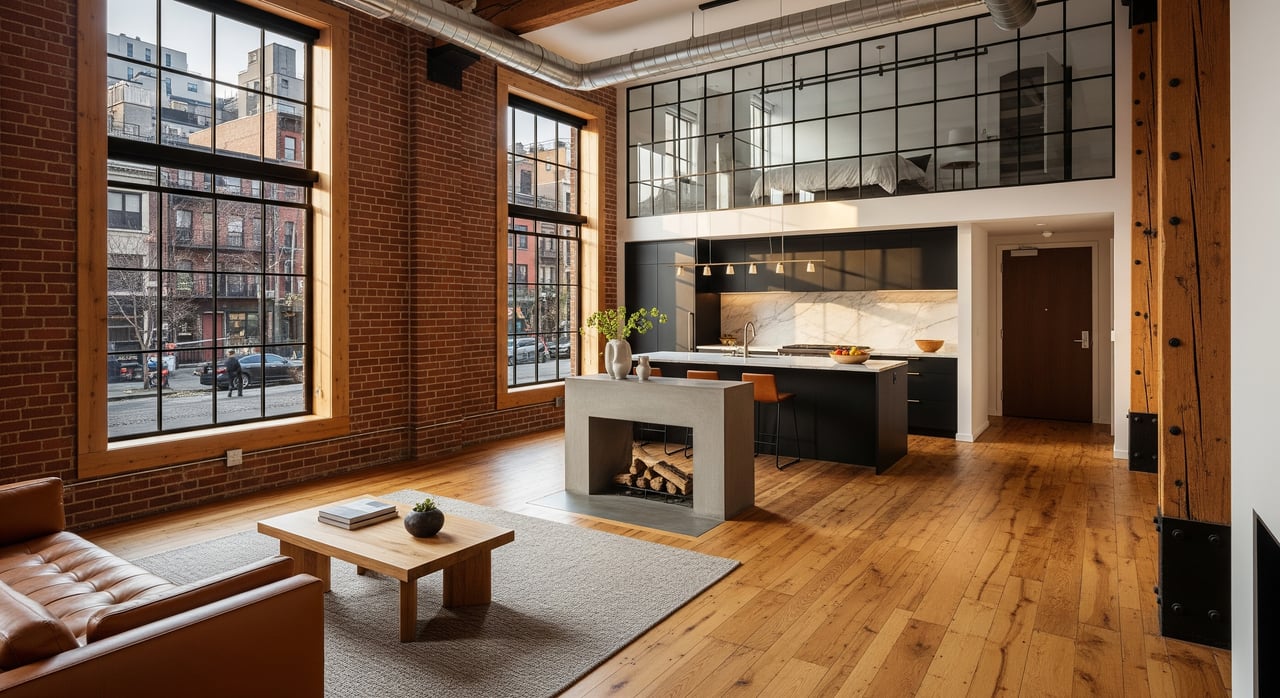
Record the finished clear height in main areas, the uniformity, and whether any mezzanines or soffits interrupt volume. In Tribeca, ceilings above roughly 11 to 12 feet are a premium signal. Height compounds with window size and exposure to boost perceived space and daylight.
Columns and openness
Document column count and placement, clear spans between supports, and how well columns integrate visually. Wide spacing with minimal intrusions supports flexible layouts and large entertaining areas. Dense grids can reduce usable contiguous space and push value down for buyers who want expansive rooms.
Exposure, windows, and daylight
Capture primary exposures, any unobstructed views, and window size and type. Southern or western exposures with large window banks often command a premium. Northern exposure can be appreciated for even light, but it usually prices below sunny orientations in direct comparisons.
Renovation level and documentation
Track the date and scope of renovations, mechanical upgrades, kitchen and bath details, permits, and brand-level finishes. Buyers in Tribeca pay up for well-documented, high-quality renovations, especially in kitchens and primary baths. Permitted, thoughtful work shortens time on market. Poor design or non-permitted work can discount value.
Building type and amenities
Note condo vs co-op, elevator details, doorman and services, fitness rooms, roof decks, storage, bike storage, and parking. Flexible bylaws and full-service amenities broaden the buyer pool and can lift price per square foot. Co-ops often trade at a discount relative to condos due to board approval and financing constraints.
Size, layout, and usable area
Go beyond gross square footage. Measure actual functional dimensions, ceiling height differences across the footprint, and bedroom and bath counts. In Tribeca, larger lofts fetch higher absolute prices, while smaller units sometimes achieve higher price per square foot. Efficient layouts with strong flow can outperform mere size.
Special features
Private outdoor space, multiple exposures, private laundry, private elevator access, deeded storage, roof rights, and preserved factory details can add meaningful premiums and widen the buyer pool.
A step-by-step pricing framework
Step A: Build your baseline comps
Select three to eight closed sales in Tribeca that match the legal form of your loft. Prioritize same-building trades, then adjacent buildings with similar typology. Target comps within plus or minus 20 to 30 percent of your square footage, comparable bed and bath counts, similar floors, and recent dates, ideally within the last 6 to 12 months.
Step B: Unitize and time-adjust
Normalize on price per usable square foot when possible, or per gross square foot if that is the local norm. If comps are older than about 90 days in a moving market, apply an appropriate neighborhood time adjustment from recognized market indices to bring prices current.
Step C: Identify attribute deltas
For each comp, compare ceiling height, column spacing and openness, exposure and window banks, renovation quality, amenities, outdoor space, and carrying cost considerations. Record differences clearly, either as numeric deltas (for example, 12 feet vs 9 feet ceilings) or categorical deltas like minor, moderate, or major.
Step D: Apply directional adjustments
Use percentage bands to adjust each comp toward your subject loft. Typical practice ranges include:
- Minor positive: add about 3 to 7 percent
- Moderate positive: add about 8 to 15 percent
- Major positive: add about 15 to 30 percent or more
- Minor negative: subtract about 3 to 7 percent
- Moderate negative: subtract about 8 to 15 percent
- Major negative: subtract about 15 to 30 percent or more
Combine adjustments multiplicatively rather than adding large percentages. This helps avoid over-adjustment when multiple factors are in play. Weight your final average toward the most recent, closest, and best-matched comps.
Step E: Set your pricing band
Translate the adjusted outcomes into three prices with expected days-on-market implications:
- Stretch price. Optimistic testing level. Can increase time on market.
- Target price. Competitive position where likely buyers will engage, allowing for negotiation.
- Conservative price. Calibrated to move quickly and potentially attract multiple offers.
Select the band that matches your goals and your carrying cost tolerance.
Step F: Run sensitivity scenarios
Model how small attribute or market changes and carrying costs affect your net. Show break-even points and the tradeoff between holding for a higher price versus accepting a quicker, competitive offer.
Carrying costs and your net
What to include
Tally your mortgage payment if applicable, monthly common charges or co-op maintenance, property taxes, utilities you pay, insurance, any assessments, the opportunity cost of capital for your hold period, and ongoing marketing and legal fees. Add them to get your total monthly carry.
Break-even thinking
Calculate your expected net proceeds at your target and conservative prices after commissions, closing costs, and taxes. Determine how many months of carry you can absorb before a lower net price would be economically preferable. Sellers with higher monthly carry often benefit from tighter pricing that shortens time to contract. Sellers with low carry can hold out longer.
Why it matters in Tribeca
Common charges or maintenance and taxes can be substantial in loft buildings, and older buildings can face assessments. A few months of carry can meaningfully change your reservation price, so align your pricing band with your financial tolerance and move cadence.
Positioning to shorten days on market
Tight, credible comps
Lead with same-building sales when you can, then immediate neighbor buildings with similar structure and service. This reduces subjective adjustments and builds buyer confidence.
Documented upgrades
Provide permits, scope, contractor invoices, and systems warranties. Clear documentation reduces appraisal friction and buyer doubt.
Photographic and plan clarity
Show column locations, ceiling heights, window banks, and sightlines. Include scaled photos that convey volume. Loft buyers react to spatial flow, and clarity lowers perceived risk.
Market-ready presentation
Targeted staging, lighting that enhances height and depth, and a layout that frames entertainment zones can elevate perceived value.
Pricing to thresholds
Evaluate psychological thresholds by absolute price and by price per square foot. Positioning just under a key threshold can expand your buyer pool.
Target the right audience
Focus marketing toward buyers who value volume and architecture, including design-forward audiences. Use broker networks and channels that reach those segments.
Sample seller workflows
Workflow when same-building sales exist
Pull the three most recent same-building trades and unitize on price per square foot. Adjust for floor, finish, outdoor space, and mechanicals. Weight the most recent and closest unit. Present a single estimate with a plus or minus band for negotiation.
Workflow when you need nearby comps
Select five comps in adjacent buildings of similar type. Time-adjust to today. Apply the attribute bands for ceilings, column span, exposure, renovation, and amenities. Combine adjustments multiplicatively and cross-check against current active listing ranges.
Workflow when carrying costs drive timing
Compute monthly carry and your timeline. Present stretch, target, and rapid-sale scenarios with net proceeds and months to breakeven. Align the listing approach with your financial tolerance and move plan.
Your pricing diligence checklist
- Recent closed sales in the same building and current competing listings
- Certified square footage, measured ceiling heights, column layout diagram
- Renovation history with permits, contractor invoices, and any certificate of occupancy updates
- Mechanical documentation: HVAC age, electrical, plumbing, water heaters
- Building financials: offering plan or co-op financials, budgets, pending assessments
- Common charges or maintenance statements and property tax bills
- Full photo set: façade, windows, all rooms, mechanicals, columns, and views with scale indicators
- Department of Buildings filings and any violations
- ACRIS sale history and deed records
- Any leases, sublet rules, or legal considerations that affect sale timing
Risks to plan around
- Co-op vs condo processes. Co-op approvals can narrow the buyer pool and lengthen timelines. Some co-ops impose transfer fees that affect net.
- Permit risk. Non-permitted mezzanines or room additions can reduce appraisal value or require repairs or escrows.
- Micro-market volatility. Tribeca is a small, high-end market. A few notable sales or new listings can shift price-per-square-foot signals quickly. Use very recent comps.
- Appraisal and financing gaps. Unique loft layouts are harder to standardize. Strong documentation of square footage, usability, and permitting protects value.
The bottom line
If you want a price that sticks and a timeline you control, ground your strategy in the attributes that truly move value in Tribeca: ceiling height, openness, light, documented renovation, legal form, and layout quality. Use a disciplined comp set, apply measured adjustments, and choose a pricing band that respects your carrying costs and goals. If you set the story and the proof upfront, the market usually meets you where you are.
Ready to price your loft with confidence and discretion? Schedule a confidential consultation with Keren Ringler for a research-led valuation and positioning plan tailored to your unit.
FAQs
How do ceiling heights affect a Tribeca loft’s price?
- Ceilings above roughly 11 to 12 feet typically signal authentic loft volume and can command a premium, especially when paired with large window banks and strong southern or western light.
How should I compare condo vs co-op loft pricing in Tribeca?
- Condos generally attract a larger buyer pool and more flexible financing, which can lift price per square foot and speed. Co-ops often sell at a discount and may take longer due to board approvals and restrictions.
Which renovations add the most value when pricing a loft?
- High-quality, well-documented kitchen and primary bath renovations and mechanical upgrades tend to deliver the most value. Permits and contractor documentation reduce buyer friction and appraisal risk.
How do carrying costs influence my initial list price?
- Your monthly carry sets how long you can hold before a lower net becomes preferable. If carry is high, a conservative band can protect your net by shortening time on market.
What if there are no recent sales in my building?
- Use adjacent buildings with similar typology, time-adjust older comps, and apply measured attribute adjustments for ceiling height, openness, light, renovation, and amenities. Combine adjustments multiplicatively to avoid overcorrection.
What pricing tactics can reduce days on market for a Tribeca loft?
- Price into a competitive band informed by tight comps, document upgrades and permits, present the volume and layout clearly, and target the buyer pool that values authentic loft features.